Globe Hall Presents Liz Cooper with Wes Parker on Monday, March 30th — KITCHEN OPENS AT 5PM!
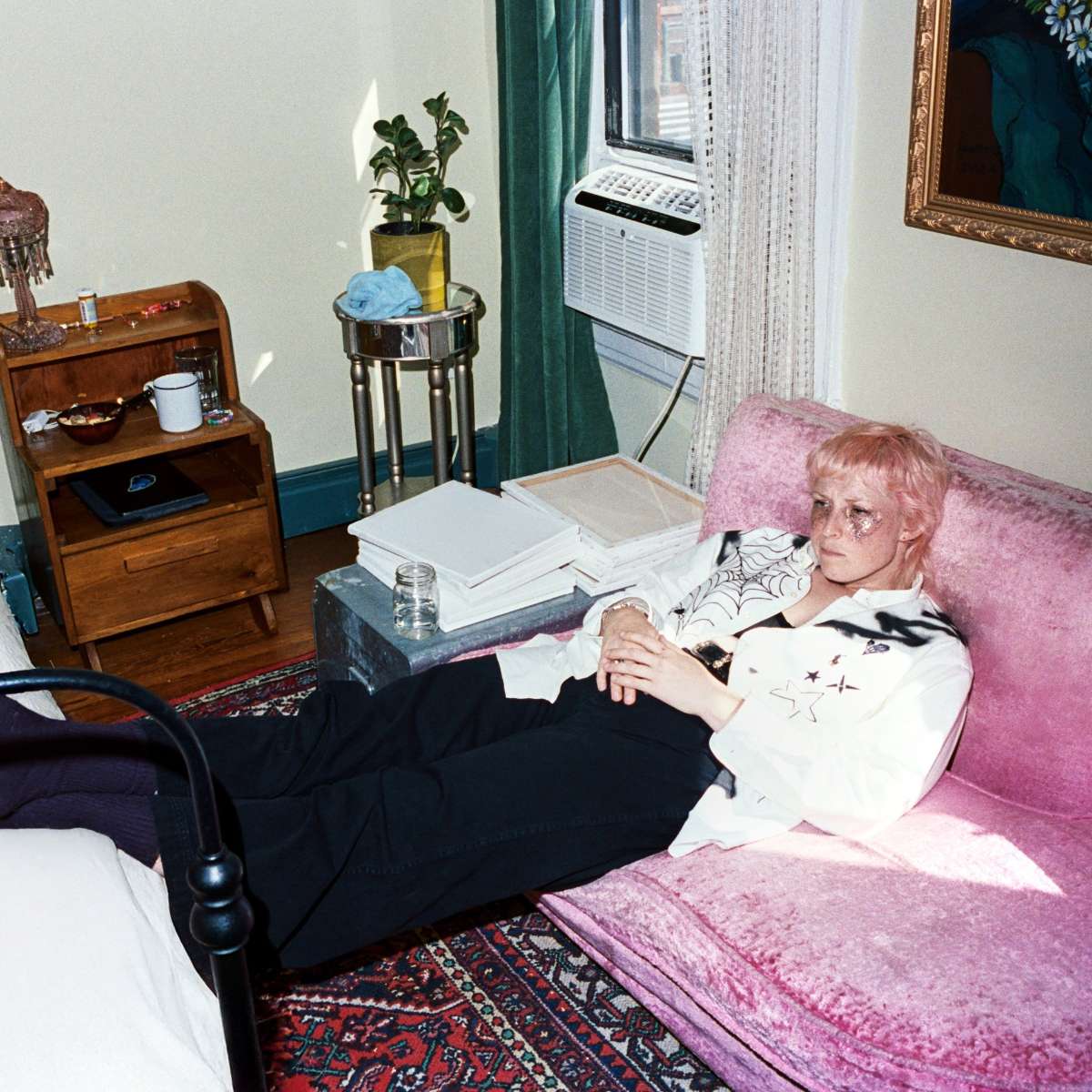
The thing about finding yourself is there’s always another corner to turn. The Vermont-based singer/songwriter Liz Cooper made her third album during a period of intense self-discovery and reinvention. She moved to New York for the first time, weathered a pandemic, came out to herself after falling in love with a friend, and experienced her first queer relationship and breakup, all in the course of a few years. New Day marks both a personal and a musical revolution for Cooper – a plunge into psychedelic pop depths and a fullhearted reflection of a whirlwind chapter in her life. These songs scintillate with the kind of self-confidence that only beams through after you’ve aimed a sharp gaze inward and realized that whatever you see will always keep darting ahead of you.
In making New Day, Cooper radically overturned her habitual approaches to making music. Rather than writing with a full band behind her, she recorded demos alone in her apartment, learning day by day to trust herself as she forged her new sound. “I needed to show up for myself to finish writing something that felt impossible,” Cooper says. “New York really challenged me to become a better writer, artist, and person. Living there made me ask myself, why am I making this? Why am I doing any of this? What’s the point? I was tired of being pigeonholed as a guitar player and Americana artist. I needed to follow my own creative bliss.” While recording, Cooper assumed production duties for the first time in her career, which enabled her to work bold new textures into each song. Together with co-producer Dan Molad (Lucius, JD McPherson), she wrung entirely new sounds out of her guitar with studio equipment she’d never tried before.
Over time, Cooper built out the songs she had written and demoed in New York. Slow and sparse sketches became big, buoyant anthems. She looked to early Beck records for inspiration as she crafted New Day’s crisp, high-contrast sound. On the album’s lead single and title track, fuzz bass churns underneath twinkling synths and binaural backing vocals. Piano and strings take center stage on the swelling “IDFK,” one of many songs inflected by Lou Reed’s classic album Coney Island Baby, which Cooper played on repeat while living in Brooklyn. The bittersweet “Sorry (That I Love You)” conjures the extremes of a troubled relationship over warm, vintage-toned guitar and bass, while closer “Baby Steps” wraps the album on a hopeful note: “I’ve made mistakes / I’m only human / These baby steps / Lead me to you,” she sings at the love song’s sweetly irresistible hook. “I struggled so much while writing this record,” Cooper says. “I felt like I wasn’t allowed to come out – I was dealing with a lot of internalized homophobia. Celebrating my queerness and understanding who I am has been a long process. Every day is a new day of coming out to myself and to everyone around me. I’m very proud to be making music that feels honest to me and my experience.”
No matter how many times you change, no matter how many hours you commit to improving yourself, each new phase in a life is still only a prelude to the next one. With New Day, Cooper captures the unfurling transformations that revealed her to herself – and leaves the door wide open for all the people she’s still yet to become.